remote care
You've done everything they told you. This is what's been missing.
Dr. Jonathan Lazar, D.C. works with a small number of remote patients: people who can't get to Ann Arbor, with the cases other care couldn't explain. It starts with a complete picture of what's actually going on.
QSM3 Level M Certified. One of eight doctors in the world.
Dr. Lazar has been the patient: nine prescription medications, surgeries, and cancer. He knows what it is to want a real answer.
Every application is reviewed personally. You'll hear from us within 3 to 5 business days.

- Since 2008
In practice in Ann Arbor, Michigan.
- The Lazar Method™
Measure, identify, clarify, correct, restore. Measured first, with no guessing.
- Host
Host of The Dr. Lazar Show, on YouTube and, for 17 years, on WMUZ 103.5 FM.
read this first
This isn't your fault.
Most people who find this page have spent years doing the work: the appointments, the referrals, the labs, the plans. If that's you, hear this. Effort was never your problem.
Remote care starts somewhere different: with a complete picture of what's actually going on. Clarity first. Everything else follows.
Feeling better isn't the same as getting better. The first is an experience. The second is a measurement, and it's the one we work from.
is this for you
Built for the case that hasn't made sense yet.
Remote care is a fit when:
- You've seen several providers and still have no clear explanation of what's wrong
- Fatigue, headaches, gut trouble, dizziness, brain fog, or poor sleep have become your normal
- You're willing to run labs, share your records, and follow a structured plan
- You want the cause looked for, not the symptom list managed
- You live outside Michigan, or too far away to come to Ann Arbor
It's honest to say it's not a fit when:
- You're looking for a shortcut or a supplement list
- You need emergency or urgent care. If this is an emergency, call 911.
- You're not in a season where labs, records, and follow-through are possible
- Your case needs hands-on correction. If it does, we'll say so plainly and help you find a qualified upper cervical provider near you.
how it works
Measured. Structured. Explained.
No guesswork and no generic plan. Every step answers one question: what is actually going on, and what does your body need now?
- 1. Application and review
Tell us your story. Dr. Lazar's clinical team reviews every application personally and replies within 3 to 5 business days.
- 2. Discovery call
A 30-minute conversation about your case: your history, your records, and what's been tried. We'll be honest about whether remote care can serve it.
- 3. The full picture
Your records gathered, targeted labs where your case calls for them, and a complete workup, including the cardiometabolic markers most workups never look at.
- 4. Your findings, explained
A full report of findings. You'll understand what the numbers mean, what's driving what, and why it finally makes sense.
- 5. A plan built for you
Not a template. A personal plan with clear priorities, built around your case and changed as your results change.
- 6. An ongoing partnership
Scheduled reviews, plan changes, and direct access to the clinical team. You're never handed a PDF and left alone with it.
The Lazar Method™ runs in one order: measure, identify, clarify, correct, restore. Remote care covers what can be done from a distance.
The correction itself is hands-on. When your case needs it, we'll tell you, and help you find a qualified provider near you.
what's included
A clinical relationship, not a one-time consultation.
Complete case review
Every prior record, lab, and image reviewed before your first consultation. Your history read, not skimmed.
Advanced lab interpretation
The panels most workups skip, read against functional ranges and explained in plain English.
Cardiometabolic assessment
Insulin resistance, HOMA-IR, TG:HDL, HbA1c, and the full CM Vitals workup where your case calls for it.
A personal plan
Built from your findings, with clear priorities: what matters first, and why.
Scheduled clinical reviews
Progress measured and the plan changed as you go, not at an annual recheck.
Upper cervical referral network
If hands-on care is indicated, we connect you with a qualified orthogonal upper cervical provider near you.
who this is for
The cases look different. The pattern is the same.
Years of "everything looks normal," a person who knows something isn't, and a body that starts to make sense once someone finally looks in the right place.
 Moms running on emptywho've carried the whole case alone
What it often looks like. Tired by noon and wired at night. Headaches, a gut that never settles, a body that always feels braced. Labs called “normal.” Everyone else's appointments kept on time, and your own kept getting pushed.
Why it gets missed. Each visit looks at one symptom. Nobody steps back far enough to see a nervous system that has been stuck in survival mode for years.
What remote care looks at. Your whole history read end to end, the labs most workups skip read against functional ranges, and a plan with clear priorities: what matters first, and why.
 Exhausted parentswho want their energy back for the people who need them most
What it often looks like. Getting through the day instead of living it. Brain fog, sleep that doesn't restore you, weight or blood sugar that won't move, and the sense that you're running on reserves you don't have.
Why it gets missed. Fatigue gets filed under stress or age. The cardiometabolic picture and how your nervous system is regulating are rarely looked at side by side.
What remote care looks at. A cardiometabolic assessment where your case calls for it (insulin resistance, HOMA-IR, TG:HDL, HbA1c), lab interpretation in plain English, and scheduled reviews so progress is measured, not guessed.
 Kids with “mystery” symptomsthat no one has connected yet
What it often looks like. Sleep that never settles, sensory overload, meltdowns, stomach aches, focus that comes and goes. A binder of reports from specialists who each saw one piece.
Why it gets missed. Every specialist answers their own question. Nobody reads the whole file and asks what ties it together.
What remote care looks at. Every record, report, and lab reviewed before the first conversation, a nervous system lens on sleep, sensory struggles, gut issues, and regulation, and one partner who works alongside the care your child already has.
 Adults who refuse to call it agingand want years that feel good
What it often looks like. Stiffness, balance that feels less sure, energy that keeps slipping, and the same answer every time: “that's just getting older.”
Why it gets missed. Age is an explanation, not a cause. When the tests come back normal, nobody asks why the body is compensating.
What remote care looks at. A complete case review, the labs that show how you're actually doing, and, if hands-on care is indicated, a qualified orthogonal upper cervical provider near you.
 Found a story that sounded like yoursand kept looking for your own answer
What it often looks like. Reading someone else's story late at night and thinking, “that's me.” Symptoms that don't fit one box, labs called “normal,” and a quiet worry that you're making too much of it.
Why it gets missed. Each visit looks at one symptom, so the pattern across your whole body never gets named. It's easy to start doubting yourself when the tests say everything is fine.
What remote care looks at. Your whole history read end to end, the records and labs you already have, and one clear conversation about whether remote care fits your case. If it doesn't, we'll say so.
 Been everywhere, tried everything, still getting worseand ready for someone to read the whole file
What it often looks like. A long list of specialists, tests, supplements and plans, each one tried in good faith. Symptoms that keep adding up instead of settling down, and a stack of records no one has read together.
Why it gets missed. Every provider answers their own question. Nobody steps back to ask what ties the whole picture together, or why it keeps changing.
What remote care looks at. Every record, report and lab reviewed before the first conversation, a nervous system lens on how the pieces connect, and a plan with clear priorities: what matters first, and why. If we can't help, we'll tell you.
Photos are illustrative, not patients.
families and neurodivergent kids
For the mom who became the case manager.
If you're raising a neurodivergent child, you already run a clinical operation: the appointments, the diets, the binders of records no one ever reads all the way through. You've done more for your child than most care teams ever will.
This isn't your fault, and you're not missing effort. What most families are missing is someone who looks at the whole nervous system, and reads the whole file.
- The whole case
Remote care built around your child's actual case. Records, labs, and history reviewed completely before anyone talks about a plan.
- Nervous system first
A nervous system lens on sleep, sensory struggles, gut issues, and regulation.
- One partner
One clinical partner who works alongside what you're already doing, not another silo.
"People don't need more willpower. They need to understand what's actually going on. Once they do, things start to make sense again, and forward motion replaces frustration."
Dr. Jonathan Lazar, D.C.
the book
Written by your guide.
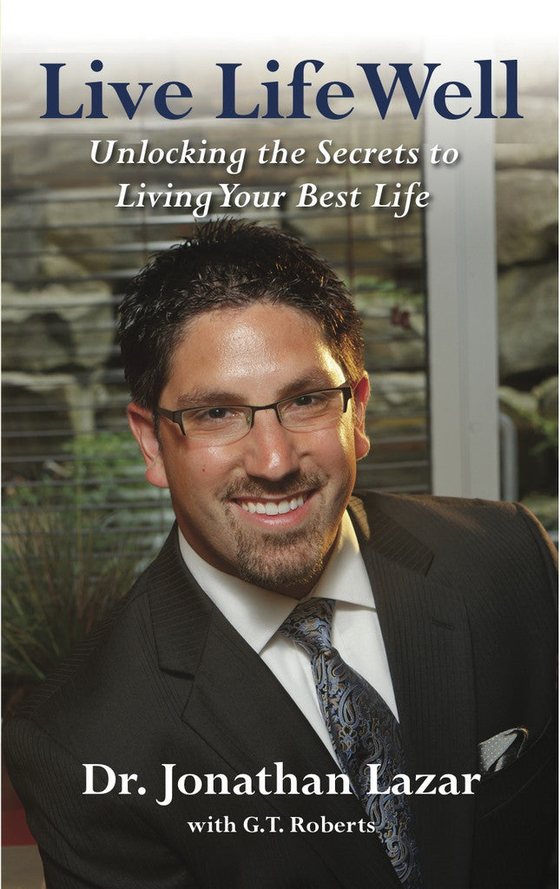
Live Life Well: Unlocking the Secrets to Living Your Best Life, by Dr. Jonathan Lazar with G. T. Roberts.
Dr. Jonathan Lazar, D.C. is the author of Live Life Well and the founder of The Lazar Method™. He is QSM3 Level M Certified.
apply for remote care
Tell us your story.
Five short steps, about five minutes. Be as specific as you can about what's been going on, for how long, and what's been tried. The more we understand, the more honest we can be about whether this is a fit.
We don't ask for diagnoses, medications, or files here. If remote care is a fit, you'll share your health history and records later, through our secure patient portal.
Dr. Lazar takes a limited number of remote patients so every case gets proper attention. Applying doesn't obligate you to anything. It starts a conversation.
Call or email to apply
Call 734.274.5107, or email remote@lazaruppercervical.com, and tell us you'd like to apply for remote care.
Received. Here's what happens next.
If we can help, we'll tell you. If we can't, we'll help you find someone who can.
Questions before then? Call 734.274.5107. In an emergency, call 911.